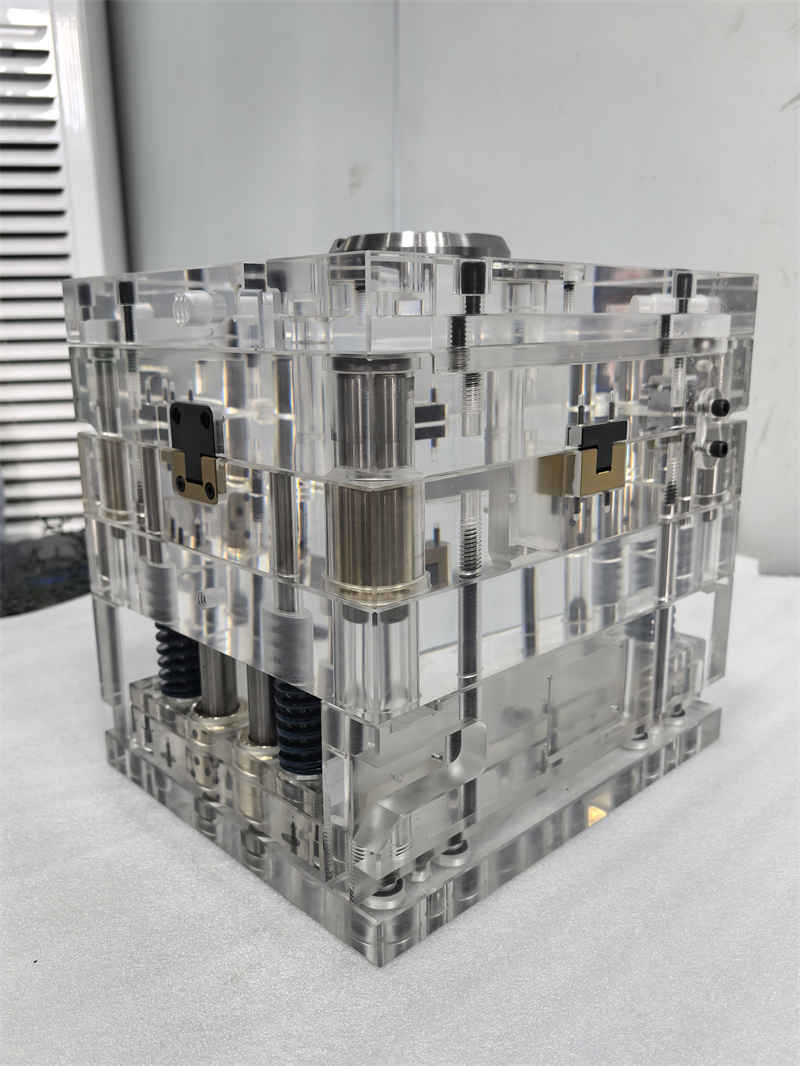
Drawing-Specific Base Machining
Each catalog reference carries its selected scope into the quotation form. Finished dimensions, material records and acceptance follow the approved order.
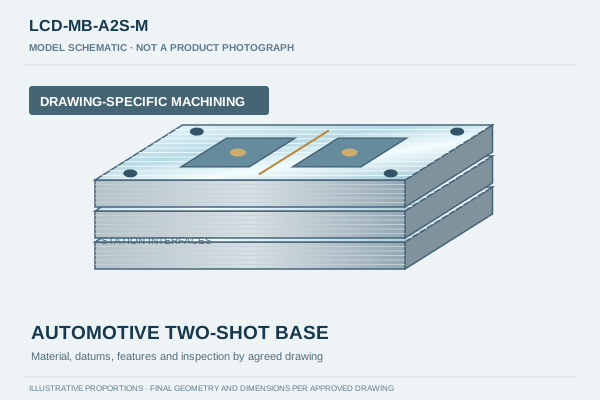
Drawing-Specific Base Machining
Base machining for automotive two-shot layouts, with station-registration, interface and motion-clearance review.
- Supply scope
- Plate/feature machining
- Interface review
- Provide the two-station layout, plate stack, reference positions and the controlled interface package for the selected mechanism. Mark registration features, rotation/indexing clearances, guide bores, stops, mounting details and required inspection datums. Identify supplied components, assembly responsibilities, any required motion/functional checks and remaining work before mold trials.
- Overall capacity
- Footprint up to 1500×1200 mm; approximately 8 tonnes per set, subject to drawing review
Provide the two-station layout, plate stack, reference positions and the controlled interface package for the selected mechanism. Mark registration features, rotation/indexing clearances, guide bores, stops, mounting details and required inspection datums. Identify supplied components, assembly responsibilities, any required motion/functional checks and remaining work before mold trials.
Request this optionGuide assembly refers to the agreed guide pillar and bushing work. Hot runner systems, hydraulic cylinders, rotation hardware and other purchased mechanisms are not automatically included.
Drawing and Quotation Checklist
- Provide the two-station layout, plate stack, reference positions and the controlled interface package for the selected mechanism.
- Mark registration features, rotation/indexing clearances, guide bores, stops, mounting details and required inspection datums.
- Identify supplied components, assembly responsibilities, any required motion/functional checks and remaining work before mold trials.
Include quantity, drawing revision, required inspection documents and delivery destination. Single-piece and small-batch inquiries are accepted.
Prepare a mold base inquiryMachining and Interface Review
- Station registration
- Define the first/second-station reference positions, locating features and required relationships in a shared datum scheme.
- Motion envelope
- Show the selected mechanism, motion path and required clearances on controlled interface drawings.
- Guides and mounting
- Provide matching guide, stop, support and machine-mounting requirements. Confirm the material and condition for each plate.
- Supplied systems and tests
- List rotation/indexing hardware, guide assembly and functional checks separately so their supply and acceptance can be agreed.
Inspection and Production Planning
Dimensional and CMM reports are available for agreed datums and critical features. The drawing review confirms the applicable tolerances, measurement method and acceptance scope. Overall mold-base capacity is up to 1500×1200 mm footprint and approximately 8 tonnes per set, with height, geometry, access and handling reviewed separately.
Production schedule: 7–15 working days; large or complex projects 15–25 working days. Working days exclude weekends and statutory public holidays in China. The clock starts on the next working day after formal PO receipt, final drawing/specification approval and applicable deposit receipt are all completed. Transport time is separate.
Automotive Two-Shot Mold Bases Questions
Browse Other Mold Base Configurations
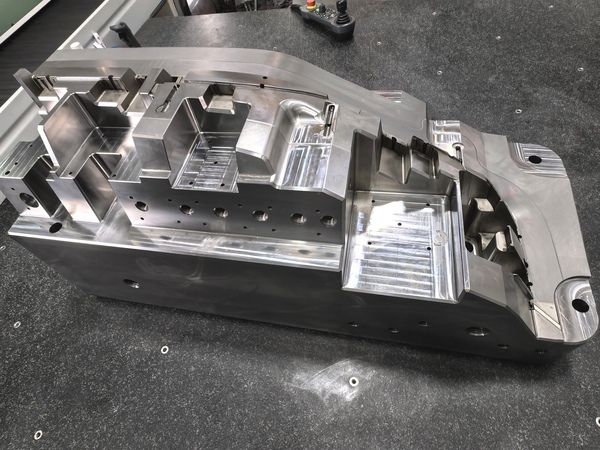 Reference · JFMoldbase
Automotive Injection Mold Bases
Automotive tooling base machining with defined support faces, insert pockets, mounting bores and machine interfaces.
Product details & quotation options →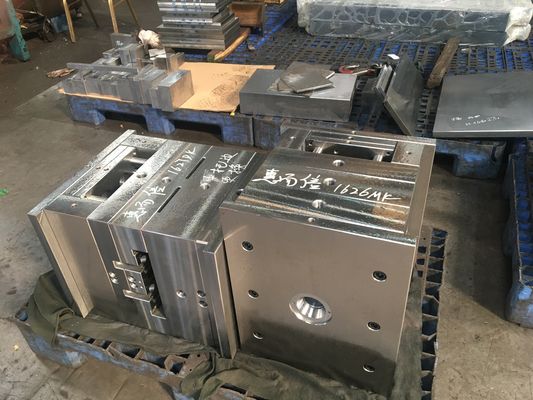 Reference · Moldtoolsteel
Large Injection Mold Bases
Large injection mold base plate stacks with drawing-defined support faces, openings, bores and water-channel machining.
Product details & quotation options →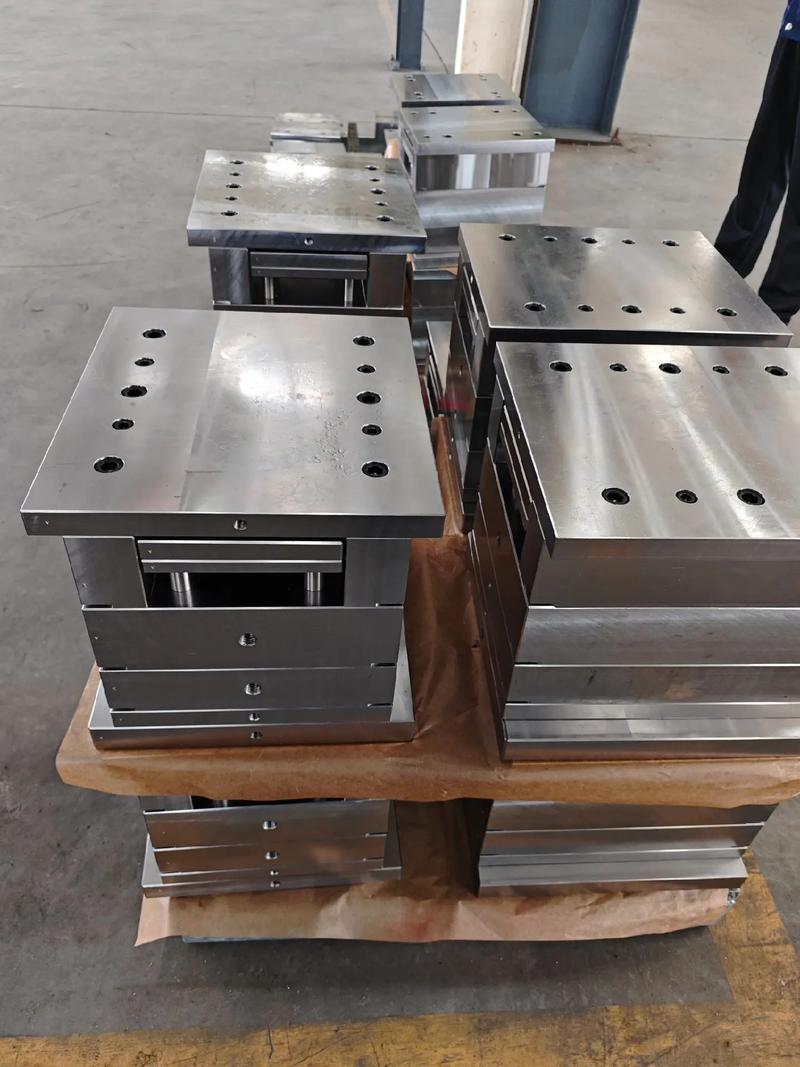 Product-form example
Two-Color & Multi-Color Mold Bases
Two-color and multi-color mold bases are reviewed against the machine interface, indexing or transfer arrangement and matched plate relationships. Define the locating datums and supplied hardware so the quotation covers the intended interfaces.
Product details & quotation options →